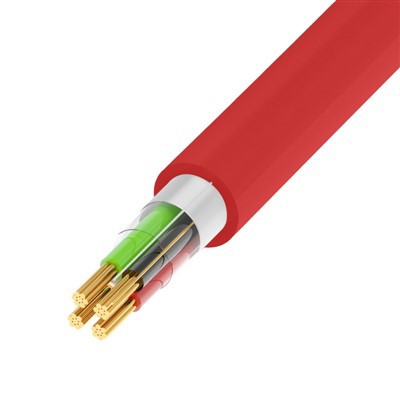
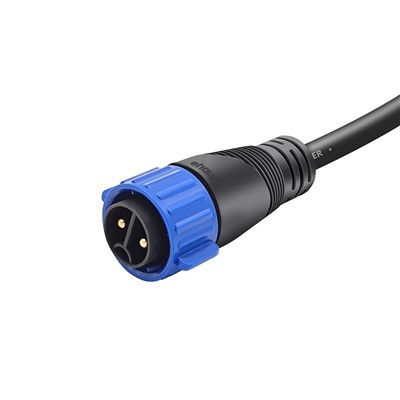
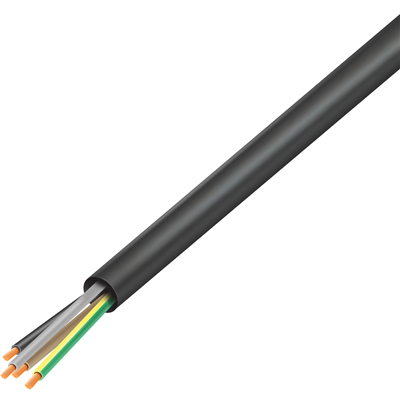
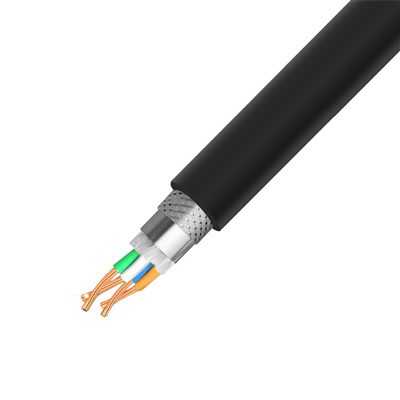
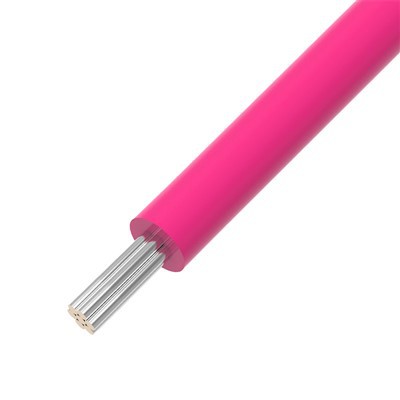
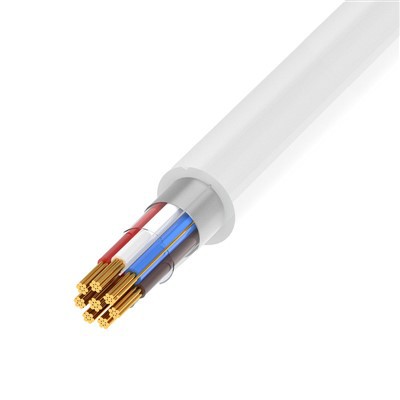
As the core carrier of modern electrical and communication systems, the performance of cables is directly dependent on the type and combination of materials used. Cable materials encompass a wide range of key components, including conductors, insulation, sheathing, and shielding. Each material must meet specific requirements for mechanical strength, electrical performance, and durability in specific environments.
Conductor materials, primarily copper and aluminum, are the foundation for transmitting electrical energy or signals through cables. Copper conductors are widely used in high-precision power transmission and communication cables due to their excellent conductivity, ductility, and corrosion resistance. Aluminum conductors, due to their low density and cost, play a vital role in long-distance power transmission and overhead cables. However, their poor conductivity requires improved performance through increased cross-sectional area or alloying.
Insulation materials isolate conductors from the external environment and prevent current leakage. Common insulation materials include polyethylene (PE), polyvinyl chloride (PVC), and cross-linked polyethylene (XLPE). PE and PVC are relatively low-cost and suitable for general low-voltage cables, while XLPE is commonly used in high-voltage cables due to its high-temperature and aging resistance. In addition, fluoroplastics (such as PTFE) are used in specialized industrial cables due to their excellent chemical resistance and high-frequency insulation properties.
Jacket materials protect cables from mechanical damage, moisture intrusion, and chemical corrosion. Commonly used jacket materials include PVC, polyurethane (PU), and thermoplastic elastomers (TPE). PVC jackets are economical and durable, suitable for indoor environments; PU jackets offer high abrasion resistance and are often used in dynamic applications such as drag chain cables.
Shielding materials, such as aluminum foil and braided copper wire, are used to reduce electromagnetic interference (EMI) and are widely used in high-frequency communications and precision instrument cables.
In summary, cable materials encompass multiple aspects, including conductors, insulation, jackets, and shielding. Their selection must comprehensively consider electrical performance, environmental adaptability, and cost factors to ensure reliable operation in complex operating conditions.