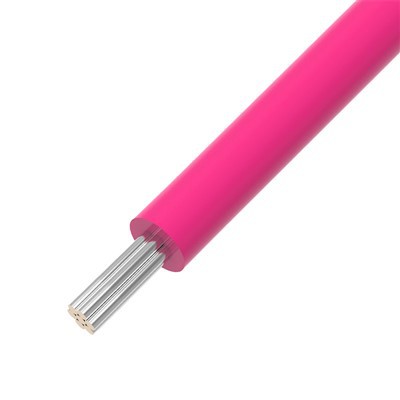
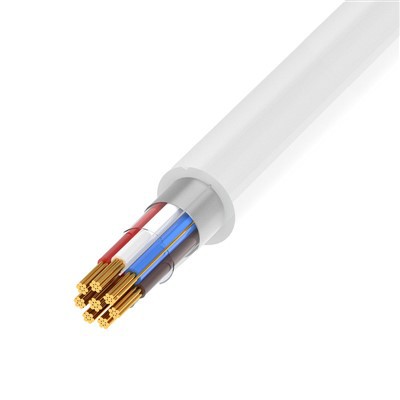
As an indispensable infrastructure in modern society, cables' core value lies not only in their fundamental functions of conducting electricity and transmitting signals, but also relies heavily on advances and innovations in materials science. The value of cable materials is reflected in multiple dimensions, including electrical performance, mechanical strength, environmental adaptability, and affordability, directly impacting power transmission efficiency, communication quality, and even system security.
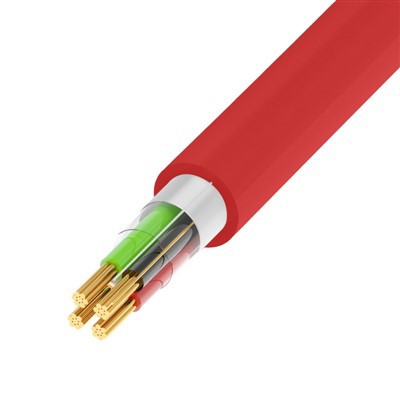
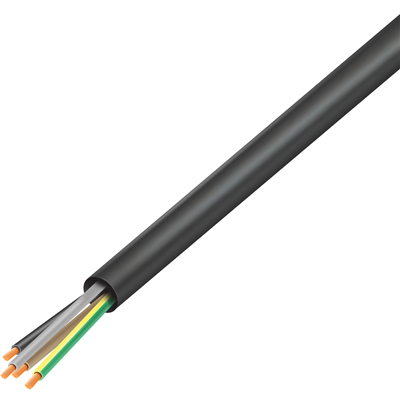
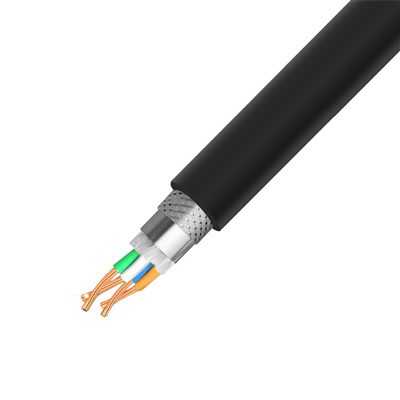
From an electrical performance perspective, the choice of conductor materials, such as copper and aluminum, determines the cable's electrical conductivity. Copper, due to its high conductivity, excellent ductility, and corrosion resistance, is the preferred choice for high-voltage transmission and precision electronic cables. Despite its higher cost, its long-term reliability makes it irreplaceable. Aluminum, on the other hand, is widely used in medium- and low-voltage power distribution due to its low density and low cost. Alloying technology improves its electrical conductivity and mechanical strength, further expanding its application areas.
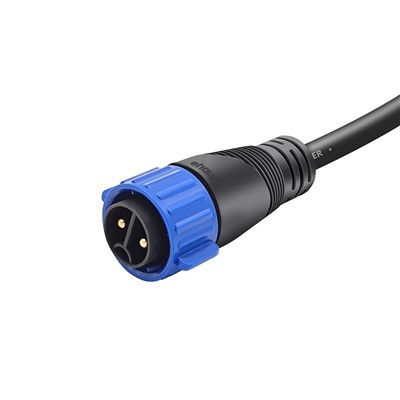
Mechanical and environmental performance are also key factors in determining the value of cable materials. Outer sheath materials, such as polyvinyl chloride (PVC), cross-linked polyethylene (XLPE), and polyurethane (TPU), not only provide physical protection but also must possess properties such as high-temperature resistance, abrasion resistance, UV resistance, and flame retardancy. For example, XLPE insulation, due to its high heat resistance and long lifespan, is widely used in new energy and rail transit applications, significantly improving the durability and safety of cables.
Furthermore, the environmental value of cable materials is becoming increasingly prominent. Halogen-free, low-smoke flame-retardant materials reduce the release of toxic gases during fires, complying with green building and public safety standards. The use of recyclable copper and aluminum alloys reduces resource consumption and promotes sustainable development.
In summary, the value of cable materials lies not only in fulfilling their basic functions but also in balancing performance, cost, and environmental requirements through technological innovation, providing a solid foundation for energy transmission and information exchange in modern society. In the future, with breakthroughs in new materials and manufacturing processes, the value of cable materials will further evolve towards efficiency, intelligence, and sustainability.